
Research &
reports
Explore recent research, data, and insights driving the growth and impact of arts, culture, and heritage across Aotearoa New Zealand.
-
Commissioned by QLDC, the Creative and Cultural Spaces and Places Evidence Report was prepared by Three Lakes Cultural Trust with strategic contribution from Johny O’Donnell of OD & Co, a place-based strategist specialising in cultural, community and economic development. The report identified a district with more creative capability than its current infrastructure allows it to realise, providing an evidence base to inform QLDC’s Long Term Plan 2027–2037 and 30-Year Infrastructure Strategy.
Click HERE to read more and review the report.
-
We know that operating a creative space in Sydney’s commercial property market is becoming increasingly unsustainable.
We carried out this study to explore what the creative sector is paying for space and how this cost pressure impacts their business, artistic practice and personal lives.
The study includes data analysis of our first yearly creative workers and creative spaces survey in May 2025.
Key takeaways
The median gross rent paid for creative space was $446/sqm a year for creative workers and $267/sqm a year for creative space operators.
Half of respondents in the study reported low confidence in access to their space in 12 months time.
The median creative income of artists in Greater Sydney was only $5,000 a year, with around 80% of that commonly invested in renting workspace.
57% of respondents are considering leaving Sydney in the next 12 months. The costs of housing and accessing creative workspace are the drivers of this uncertainty.
The ways respondents have reduced the cost of accessing creative space include taking shorter lease terms, using personal funds for set-up costs such as moving and fitout, using volunteer labour for maintenance and repairs, and even choosing to live in their studios.
The study finds that the median costs of accessing space should not be taken as an indicator of affordability in the market. Instead, the study proposes that affordability is achieved when the total cost of space doesn’t compromise the sustainability of a creative business or access to housing in Sydney.
The study recommends a creative space affordability scheme is developed to support affordable access to space on multiple fronts.
Click HERE for more information.

-
Creative New Zealand encourages, promotes and supports the arts in New Zealand for the benefit of all New Zealanders through funding, capability building, our international programme and advocacy.
Click HERE for more information.

-
To explore how Creative New Zealand can better describe and measure the value of the arts, culture and creativity, and ngā toi to New Zealanders, research has been undertaken using an online focus group asking about their perceptions and experiences with the arts and why they are important.
Click HERE for more information.
-
This report provides data on how our $16.3bn Creative Ecosystem can help double New Zealand’s export value.
Click HERE for more information.
-
How will technology change the way New Zealanders create, share and protect their stories in 2040 and beyond?
Click HERE for more information.

-
The Infometrics sector profiles 2024 provide data on a range of employment, business and productivity characteristics for the arts and creative sector.
Sourced: Manatū Taonga Ministry for Culture and Heritage
Published 17 March 2025
Click HERE for full report

-
Amplify is a national strategy that shows how government will work with the creative and cultural sectors to deliver support for the sectors’ development.
This document is the DRAFT Strategy that was released for community consultation which closed 15 December 2024
Image credit: Takapau (2022) by Mataaho Collective, installed at the 2024 Venice Biennale. Image courtesy of Creative New Zealand.
Click HERE for more information.

-
Measuring and Articulating the Value of Live Performance in Aotearoa is a Massey University-led research project that establishes the first national evidence base for the economic and wellbeing contributions of the live performance sector to Aotearoa New Zealand.
Funded by Manatū Taonga The Ministry for Culture and Heritage, the report provides evidence that live performance is of significant economic, social, and wellbeing value to Aotearoa.
Click HERE for more information.

-
The Infometrics sector profiles 2023 provide data on a range of employment, business and productivity characteristics for the arts and creative sector.
Sourced: Manatū Taonga Ministry for Culture and Heritage
Published 13 March 2023
Click HERE for full report

-
A report demonstrating the positive impact of multi-year funding from Manatū Taonga Ministry for Culture and Heritage on community-based creative spaces across Aotearoa shows a dramatic 246% increase in people attending creative spaces. The report, Te kaha o ā tātou mahi | The Power of our work, uses data gathered by Arts Access Aotearoa over the three years and demonstrates the health and social benefits provided by creative spaces around Aotearoa.

-
New Zealanders and the Arts—Ko Aotearoa me ōna Toi is a key resource for Creative New Zealand – it helps inform policy, planning, implementation of key strategies and programme design, and supports partnerships and advocacy work.
Image credit:Auckland Philharmonia Orchestra, Requiem, Photography by Andi Crown on behalf of Auckland Arts Festival 2022
Click HERE for more information.
-
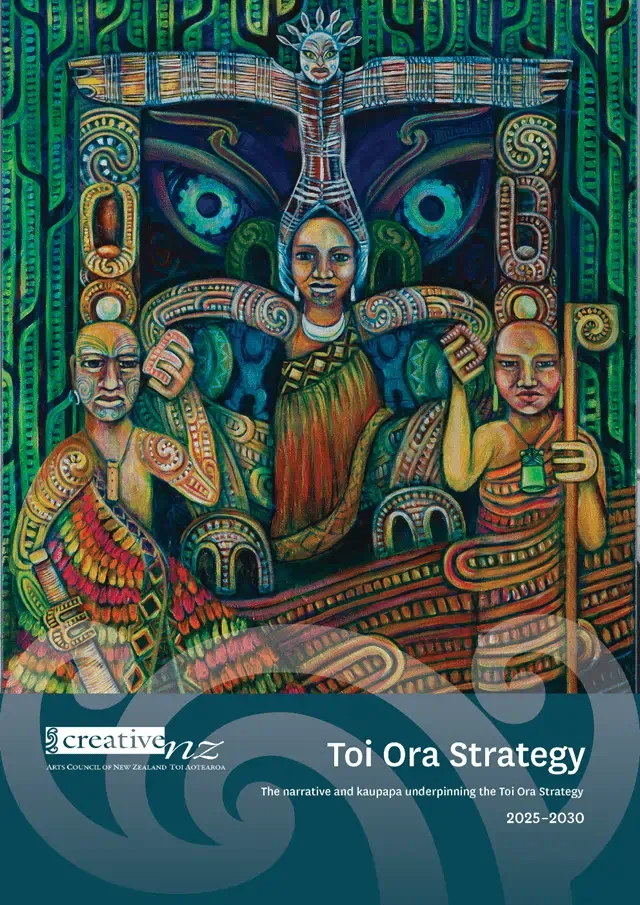
Creative New Zealand, the national arts development agency, has released two landmark strategies that set a new long-term direction for how the arts and ngā toi Māori (Māori arts) will be supported and developed.
Together, the strategies set a vision for an Aotearoa New Zealand where vibrant arts and ngā toi flourish – enriching everyday life, strengthening communities and connecting New Zealand’s creativity with the world.
Click HERE for more information.

-
A new report by economist Shamubeel Eaqub reveals New Zealand’s creative/creative tech sector* has a much bigger economic impact and is a much bigger employer than commonly perceived, worth $13 billion annually and supporting around 100,000 jobs.
With policy changes and smarter investment of existing funding, he says the sector could underpin New Zealand’s future economic growth, drive up productivity, boost global competitiveness and support higher values jobs.
Produced for Toi Mai Workforce Development Council, Eaqub says Skills in the creative sector shows just how big an economic impact our creative sector has on the country’s fortunes.
“The creative sector is actually one of our core economic pillars and a quiet success story for New Zealand, with movie and TV production, gaming, music recording and other parts contributing $13bn to GDP in 2022 – likely to be higher now, around 4% of our economy.
Keep reading full article and find links to Skills in the creative sector and Te Pūaotanga - The New Dawn report HERE
Sourced: Toi Mai Workforce Development Council
Published 16 September 2025

-
New Zealanders and the Arts—Ko Aotearoa me ōna Toi is a key resource for Creative New Zealand – it helps inform our policy, planning, implementation of key strategies and programme design, and supports our partnerships and advocacy work. It’s also used extensively by local authorities and arts communities in their own planning and advocacy work.
The 2023 results show New Zealanders’ personal connection with the arts has grown and plays an important role in aiding wellbeing. Further, the arts play a greater role in shaping our national identity. Support for Ngā Toi Māori and Pacific arts is increasing, and the positive attitudes towards the economic benefits of the arts remain higher than pre-pandemic levels. Accessibility is still a barrier that needs to be addressed so that more New Zealanders can participate, attend, and engage with the arts.
Image credit: Courtesy of Melanesian Festival 2022
Click HERE for more information
-
This research report looks at New Zealanders’ engagement in arts, culture, and heritage activities in 2025, and follows on from the Ministry’s 2020, 2022 and 2023 cultural participation research.
Published 18 March 2026
Click HERE for full report
-
Audience Atlas is a unique way of understanding the market for arts and culture. With a robust population survey at its core, Audience Atlas sizes, profiles and segments the market and provides insight on how to target and engage audiences to ensure sector growth.
Click HERE for more information.

-
Top 10 most creative territorial authorities in 2023, ranking based on Infometrics Creativity Index, showing % of workforce employment in the creative sector
Report released October 2024
Click HERE for more information.

-
The Long-term Insights Briefing is a public sector ‘think piece’ on the future that looks at what will influence the vibrancy and resilience of the cultural sector ecosystem in future.
Sourced Manatū Taonga Ministry for Culture and Heritage
Published 26 January 2023
Click HERE for more information.

-
This report provides data on the wellbeing outcomes of participation in extracurricular and free-time activity for young people, using the 12-year-old cohort of the longitudinal Growing Up in New Zealand research project.
Click HERE for more information.
Strategies, policies & plans
Queenstown Lakes District
Aligning with key Queenstown Lakes District strategies, policies and plans is essential to ensure a clear and consistent approach to a thriving arts, culture and heritage sector.
Here are a list of strategies, policies and plans within the Queenstown Lakes District that consider arts, culture and heritage.
-
This is a community strategy to drive activity and investment to realise the full potential of creativity, culture and heritage in Queenstown Lakes District.
The Strategy is a platform for positive change to the way we view, approach and work together to nurture creativity, culture and heritage in our district. It will help us attract and focus resources to the right areas to ensure creativity and culture thrives in our communities.
The Strategy has been informed and developed through conversations with our community through a series of district-wide hui and early insights engagement in April-June 2023.
It has also been shaped by feedback provided through public engagement on the Draft Creativity and Culture Strategy in March-April 2024. The work has been led by Queenstown Lakes District Council and the Three Lakes Cultural Trust, in partnership with Kāi Tahu and a range of sector groups.
Te Muka Toi, Te Muka Tākata l The Creativity, Culture and Heritage Strategy for the Queenstown Lakes District was unanimously endorsed in June 2024.
Click HERE for the full strategy and implementation plan.
-
In August 2018, a small and diverse group was convened to reflect the many voices and key concepts in the district, including tākata whenua, the rich heritage of the area, today’s diverse communities, and the business and tourism perspectives.
The community voiced their vision for the Queenstown Lakes District to be a place for breathtaking creativity, thriving people, living Te Ao Māori and pride in sharing our places and to preserve and celebrate the district’s cultural heritage.
Click HERE for more.
-
The Grow Well Whaiora Partnership was established between Queenstown Lakes District Council, Kāi Tahu, Otago Regional Council and the Crown to respond to the district’s urban growth challenges. The partnership has produced the district’s first Spatial Plan. The Spatial Plan sets out how and where the district’s growth will occur over the long term. It aims to deliver positive growth that benefits the environment, housing, access to jobs, community wellbeing and visitor experience.
Click HERE for more.
-
Travel to a thriving future is Queenstown Lakes’ roadmap to regenerative tourism by 2030. This Regenerative Tourism Plan is an output and a priority initiative of the Grow Well | Whaiora Spatial Plan. A partnership between Destination Queenstown, Lake Wānaka Tourism and the Queenstown Lakes District Council with input from Kāi Tahu and the Department of Conservation.
Click HERE for more.
-
The Diversification in Queenstown Lakes report explores the context of diversification in the district, looking at what others have done with case studies from the USA, Sweden, Chile and Australia. Read the report below.
The QLDC Economic Futures team worked closely with local businesses and industry experts to develop this plan. It has been created, with local communities and businesses, for future generations. For more detailed information on the keystone project, strategic pillars, objectives, and projects proposed, open the plan below.
Click HERE for more.
-
QLDC is proud to be a part of Welcoming Communities | Te Waharoa ki ngā Hapori, a programme to support newcomers to feel welcome and able to participate in the economic, civic, cultural and social life of their new community. The Welcoming Communities programme aims to make the district more welcoming for everyone. It focuses on achieving a Welcoming Communities Standard of eight elements which help benchmark what a welcoming and inclusive community looks like including:
Inclusive Leadership
Welcoming Communications
Equitable Access
Connected and Inclusive Communities
Economic Development, Business and Employment
Civic Engagement and Participation
Welcoming Public Spaces
Culture and Identity.
Click HERE for more.
-
QLDC is working on a new Events Policy that will help ensure Council-supported events meet community expectations.
Community consultation on the draft policy closed 7 March 2024.
Read HERE for more.

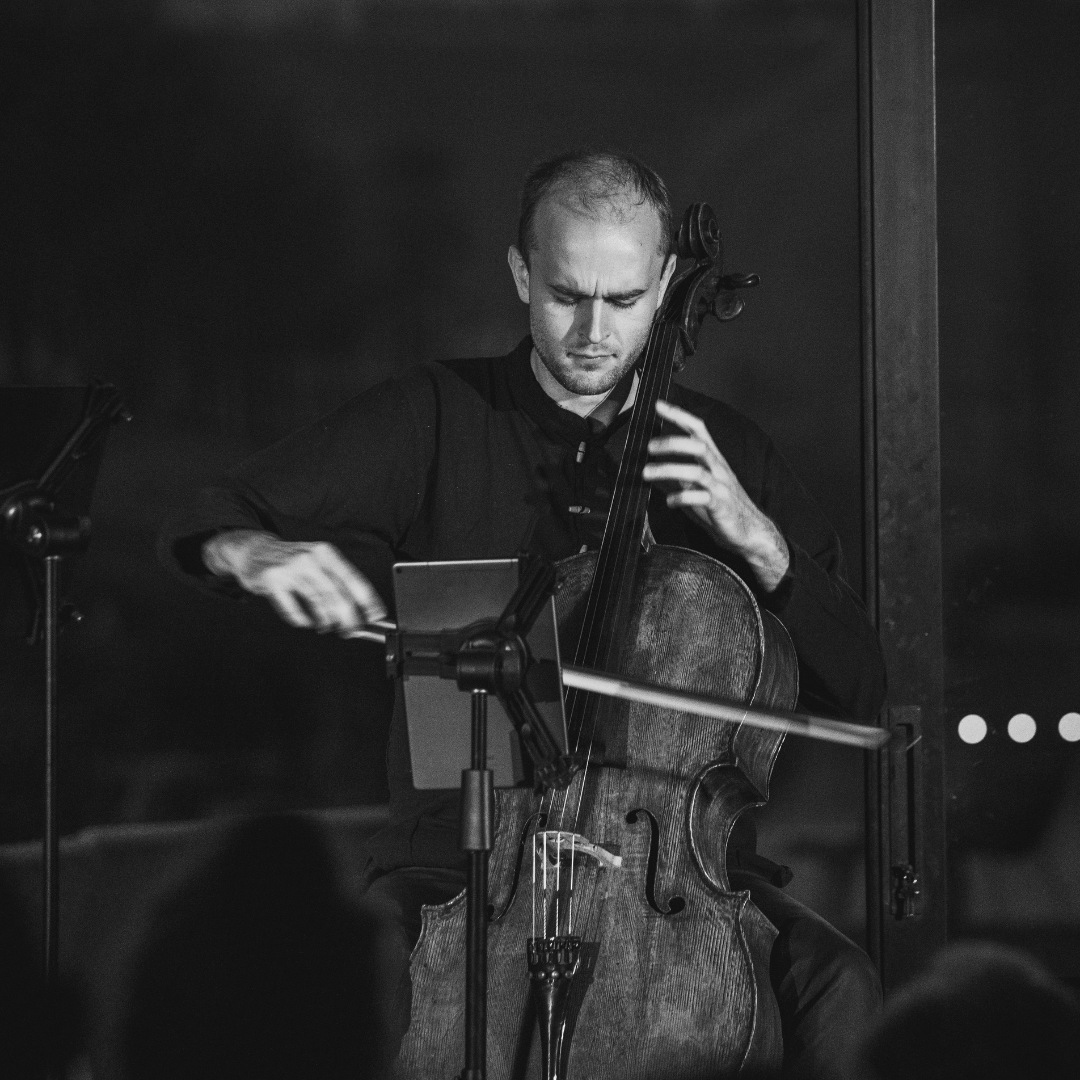


At the Worlds Edge Festival
Arts and culture expand the ways people may communicate with each other, develop, make sense of and express experiences, beyond merely verbal communication.
Sourced: Ministry for Culture & Heritage Manatū Taonga (NZ)2022, Valuing the Arts
